Naira Sahakyan

Books

Monographs and edited volumes.

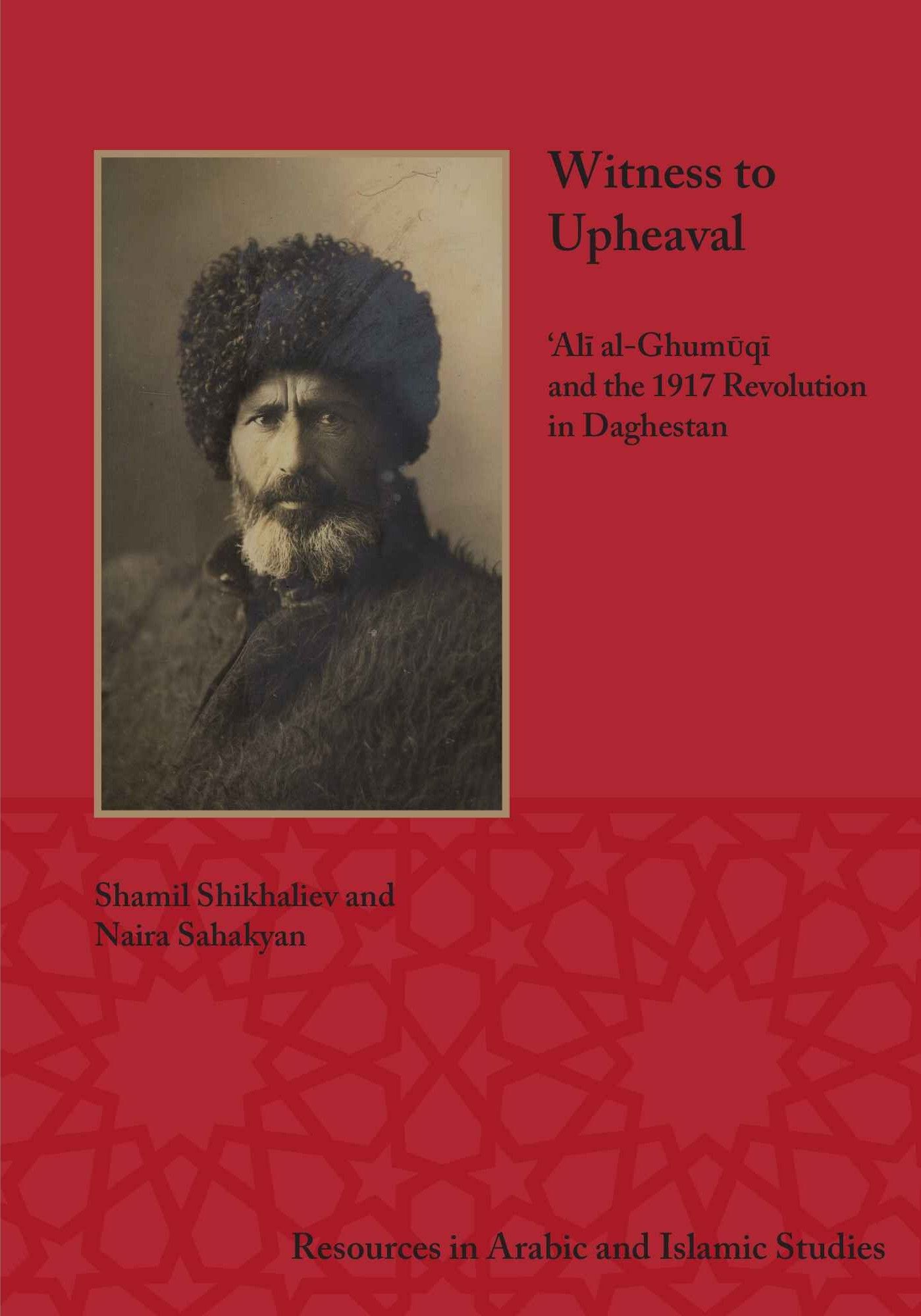
Cover of Witness to Upheaval

Forthcoming, 2026

Witness to Upheaval

ʿAlī al-Ghumūqī and the 1917 Revolution in Daghestan. A Study and Sourcebook of Annotated Translations

With Shamil Shikhaliev. Lockwood Press, Resources in Arabic and Islamic Studies

This book presents the first annotated English translation and critical study of the writings of ‘Alī al-Ghumūqī, a Daghestani Muslim intellectual, historian, and participant in the revolutionary transformations of the early twentieth century. Bringing together intellectual history, translation, and historiographical intervention, the volume introduces anglophone readers to a largely unknown voice from the Muslim Caucasus whose works illuminate the intersections of Islam, empire, and revolution.
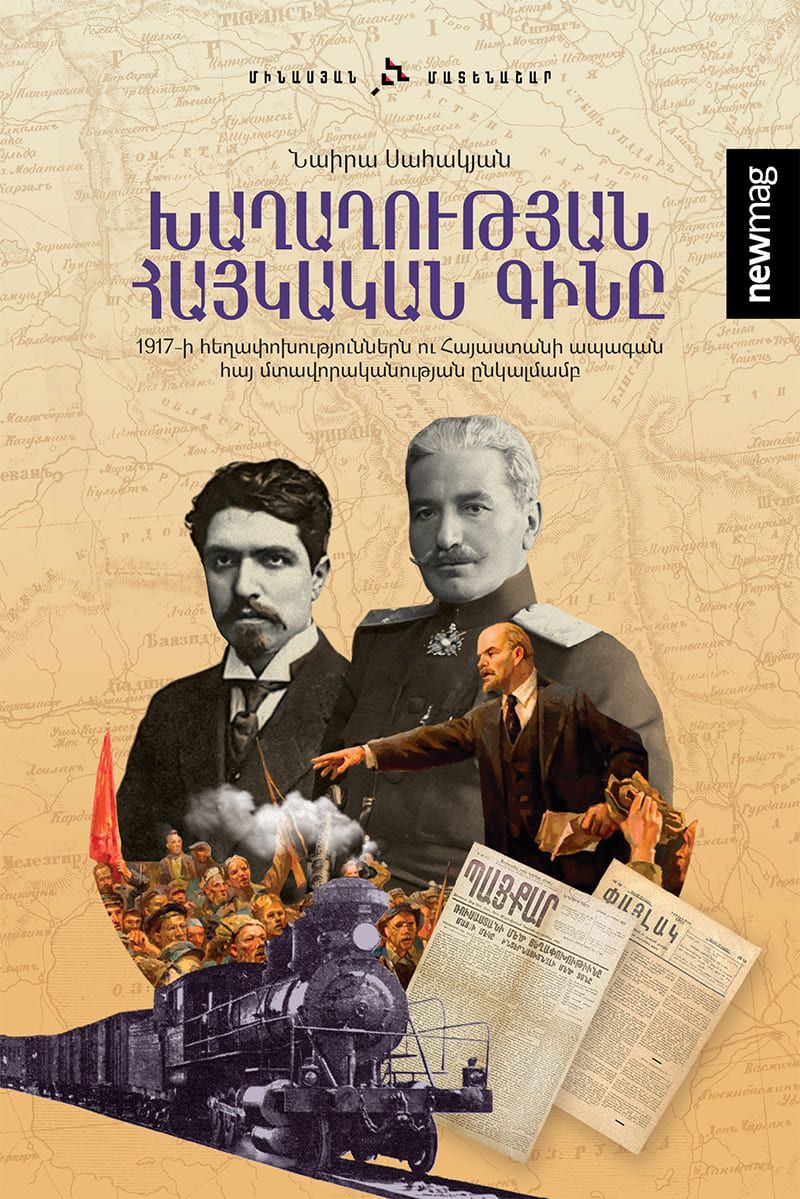

Cover of Armenian Price of Peace

2023

Armenian Price of Peace

The Revolutions of 1917 and the Future of Armenia in the Perception of the Armenian Intelligentsia

Խաղաղության հայկական գինը. 1917-ի հեղափոխություններն ու Հայաստանի ապագան հայ մտավորականության ընկալմամբ

Newmag, Yerevan. In Armenian

How did Armenian intellectuals read the revolutions of 1917? The book follows their debates over the Bolshevik formula of peace without annexations, the fate of Turkish Armenia and the shape of a future Armenian state, drawing on the periodical press of Tiflis, Baku and Yerevan.

At the publisher

Cover of Muslim Reformers and the Bolsheviks

2022

Muslim Reformers and the Bolsheviks

The Case of Daghestan

Routledge, Routledge Studies in the History of Russia and Eastern Europe, London and New York. ISBN 9781032216201

This book explores how the Muslim scholars of Daghestan, an important Muslim region within Russia, experienced the 1917 Russian Revolution and how they attempted to gain religious and political authority in the new post-imperial environment.

Covering the period between the February Revolution and the first mass repressions of the scholars of Islam, it challenges the view that relations between Muslim reformers and Bolsheviks were simply antagonistic. Relations were pragmatic rather than ideological: there was cooperation on modern education and language policy, alliances against assumed common threats, and disagreement over atheism and class struggle.

At the publisher